Aviation Switching Module – NSN 4920-01-250-2696 (AS-IS / Untested): Specialized Aircraft Test and Control Hardware
Aviation Switching Module – NSN 4920-01-250-2696 (AS-IS / Untested): Specialized Aircraft Test and Control Hardware
Blog Article
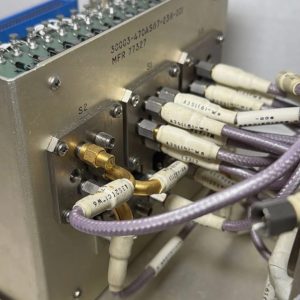
The Aviation Switching Module – NSN 4920-01-250-2696 (AS-IS / Untested) is a specialized aerospace electrical component offered for professional evaluation, restoration, testing, parts recovery, collection, or another suitable non-assumed application.
An Aircraft Switching Module and Aerospace Switching Module should be treated as specialized equipment rather than universal components that can be connected to any aircraft electrical system.
An Aircraft Electrical Switching Module can have commercial value for technicians, while an Aviation Electrical Control Module or Aerospace Electrical Control Unit requires qualified bench evaluation before operational consideration.
An Aircraft Switching Unit can support specialized signal or circuit management, but an Aerospace Power Distribution Module or Aviation Power Control Module may use different internal architecture and electrical requirements.
Why NSN Verification Matters
NSN 4920-01-250-2696 should be compared with the data plate, manufacturer number, contract markings, serial number, connector layout, and available documentation on the actual unit.
Military or aviation-surplus components may carry replacement numbers, superseded numbers, modification markings, or contract identifiers that assist research.
Untested Switching Module Condition
The buyer should plan for professional inspection, troubleshooting, repair, parts replacement, or display-only use.
Professional evaluation protects the module, technician, test equipment, and any associated aerospace system.
Evaluating Aircraft Switching Functions
Application accuracy protects buyers from assuming that a broadly named Aircraft Switching Module will fit their project.
Missing knobs, guards, labels, connectors, covers, or fasteners may reduce completeness.
Aerospace Enclosure and Connector Condition
An Aerospace Switching Module may use a durable enclosure, secure connectors, internal wiring, switches, relays, terminal assemblies, circuit boards, or other configuration-specific components.
Protective caps should remain installed during storage and shipping when available.
Evaluating Aircraft Electrical Components
An Aircraft Electrical Switching Module should be inspected for overheated areas, burned insulation, damaged terminals, loose hardware, corrosion, moisture entry, broken controls, and signs of previous disassembly.
Seals, labels, inspection marks, tamper indicators, and original component arrangements may have historical or technical value.
Aircraft Electrical Control Applications
An Aviation Electrical Control Module can coordinate or select electrical functions within a compatible aviation or support-equipment system, depending on its documented design.
Aggressive solvents, scraping, repainting, or polishing may remove original information.
Aircraft Power Switching Module Considerations
An Aircraft Power Switching Module may connect, disconnect, select, or manage compatible electrical power circuits when designed for that function.
A module with unknown electrical condition should remain clearly labeled as untested until formal evaluation occurs.
Aerospace Module Troubleshooting
Its internal design may include electromechanical components, solid-state devices, wiring assemblies, circuit protection, or specialized connectors.
A common-looking relay, switch, resistor, connector, or wire may not be an acceptable substitute.
Aviation Signal Routing Equipment
Signal circuits can be sensitive to grounding, shielding, contact resistance, connector condition, and electromagnetic interference.
Original cable assemblies read more may add significant value when included.
Professional Aviation Module Evaluation
Associated wiring, power supplies, interfaces, switches, displays, sensors, test sets, or aircraft equipment may be required for meaningful operation.
A matching NSN or housing does not always confirm identical internal configuration when modifications or supersessions exist.
Choosing an Aircraft Switching Unit
The unit can provide parts, reference information, display value, training opportunities, or a candidate for professional restoration.
Technical schools may use a de-energized module to demonstrate connector inspection, switch construction, equipment identification, documentation research, or safe troubleshooting planning.
Aerospace Power Distribution Module Considerations
Power distribution equipment may use switches, relays, terminals, bus structures, circuit protection, and control interfaces depending on design.
Additional mounting holes should not be drilled until the component application is established.
Aircraft Module Functional Evaluation
Dust and surface dirt can often be removed carefully, but aggressive cleaning may damage labels, seals, finishes, or electrical parts.
Functional evaluation should proceed in stages, beginning with research and non-powered inspection before controlled electrical testing.
Aviation Electrical Power Management
Responsible product information protects buyers seeking an Aviation Power Control Module.
The equipment should remain disconnected and protected during storage.
Maintaining Aerospace Switching Equipment
An Aircraft Electronic Switching System may consist of multiple modules, harnesses, control panels, relays, indicators, power sources, and associated equipment.
The module should not be blamed until related wiring and equipment are considered where the original system is available.
Protecting an Aerospace Switching Unit
Desiccant or moisture-control materials should not contact electrical components directly unless appropriate.
Original packaging should receive additional protection rather than being used as the only shipping container.
Commercial Inspection of an Electrical Module
AS-IS equipment may offer attractive value when the purchaser has the knowledge and resources required for evaluation.
The seller should explain whether the unit has been powered, opened, repaired, modified, tested, or removed from known equipment.
Aerospace Module Pre-Purchase Inspection
The seller should disclose corrosion, missing parts, broken controls, damaged connectors, previous repairs, opened seals, burned areas, contamination, and signs of impact.
- Determine whether cables, plugs, manuals, test leads, mounting hardware, storage cases, or companion components are included.
- Check for burned odors, melted material, arcing marks, water entry, chemical residue, and internal loose components where visible.
- Confirm the written invoice, AS-IS terms, payment protection, packaging method, shipping insurance, inspection period, and return conditions.
Professional Bench Evaluation
A methodical process reduces the risk of damaging rare aviation equipment.
Initial evaluation may include mechanical switch checks, continuity testing, insulation inspection, resistance measurements, and examination for shorts or damaged components.
Aircraft Electrical Module Repair Planning
Replacement parts should be selected according to electrical rating, mechanical fit, material, environmental requirements, and original design intent.
A repaired module may still require system-level testing or additional qualification before installation.
Aviation Switching Module Conclusion
For the right purchaser, the unit can offer a useful foundation for technical research, controlled troubleshooting, component recovery, or legacy-equipment restoration.
Careful technical and commercial evaluation can reduce equipment damage, incompatible purchases, missing-accessory costs, testing hazards, and restoration delays.
Whether the requirement is an Aircraft Switching Module, Aerospace Switching Module, Aircraft Electrical Switching Module, or Aviation Electrical Control Module, exact identification should guide the purchase.
With complete evaluation and continued care, the Aviation Switching Module – NSN 4920-01-250-2696 (AS-IS / Untested) can deliver a professional combination of restoration potential, component value, technical interest, and aerospace-equipment relevance.
Report this page